Pain is not a single sign. It is a relocating target formed by biology, psychology, culture, and context. Registered nurses rest at the center of that complexity, frequently coming to be the individual who listens to the very first summary, makes the very first judgment, and starts the initial treatment. Solid pain administration training, coupled with the appropriate qualification, offers registered nurses the self-confidence to act swiftly and the subtlety to act wisely. This guide distills what matters most on the ward and at certification time, from pathway-based thinking to bedside communication, including where the puaeme008 structure fits and just how to choose the right pain management training course for your role.
What registered nurses actually handle when they manage pain
On a busy shift, pain rarely provides as a simple rub out of ten. An elderly patient recouping from hip surgery describes "aching" that only reveals when transferring from bed to chair. A young adult with sickle cell illness records "stabbing" discomfort despite regular vitals. A palliative treatment patient is "not in pain" however winces every time the sheet touches her foot. These stories call for different actions and different lines of assessment.
A functional psychological model sets three domain names: system, individual, and context. Mechanism asks what is driving the pain. Is it nociceptive cells injury, neuropathic shooting, or a combined picture such as postherpetic neuralgia with muscle mass guarding? Person refers to comorbidities, past discomfort experiences, opioid tolerance, and communication choices. Context consists of setting, sources, timing, and threats such as breathing concession or delirium.
Pain administration training for registered nurses must hone this triad. Accreditation programs frequently examine it indirectly through situation situations. They are actually examining whether you can straighten your activities with the mechanism, dressmaker to the individual, and anticipate the context.
Decoding course choices and credentials
The landscape of pain monitoring training courses varies extensively. Some are discipline details, others interprofessional. Some focus on pharmacology, others focus on interaction, reassessment, and nonpharmacologic techniques. If you are pursuing pain monitoring training for registered nurses, search for clear knowing outcomes, case-based technique, and durable assessment.
Short programs hurting administration are valuable for targeted skills. A three to eight hour component can cover opioid conversions, ketamine infusion security, or nonpharmacologic strategies in pediatric medicines. Longer programs, such as a certificate training course suffering monitoring or a pain monitoring certification course, offer stackable understanding that includes pathophysiology, progressed evaluation, and interdisciplinary control. You will see terms like pain monitoring certification and pain monitoring accreditation made use of reciprocally by marketing groups, but the distinction issues. A certification training course hurting monitoring denotes completion of education. Accreditation usually suggests an external body confirms your understanding via a test and ongoing proceeding education.
In some emergency situation treatment structures, you may come across PUAEme008 give discomfort monitoring or similar system codes that describe proficiency in prehospital or urgent settings. The puaeme008 provide pain monitoring device, where readily available in your area, generally covers rapid evaluation, safe management of very first line anesthetic, nonpharmacologic treatments in the field, and handover. While developed with emergency -responders in mind, the concepts map neatly to triage nurses and any individual who operates in emergency situation discomfort management.
If you function outside nursing, the choices adjust. Discomfort monitoring training courses for physiotherapists commonly highlight feature, graded exposure, movement-based analgesia, and interaction techniques that minimize fear evasion. Shared training sessions serve. Nurses that hear exactly how physio therapists mount pacing and activation often alter their bedside guidance, staying clear of the trap of telling people to remain still "until the pain settles," which can lengthen recovery.
Building the skill set that qualification exams expect
Certification bodies look for safe, reproducible practice. They desire you to address discomfort while shielding air passage, breathing, and blood circulation. They want you to use the least risky choice that will certainly function, and to identify when to rise. They expect you to keep track of, paper, and hand over clearly. Those expectations translate to numerous core competencies.
Assessment surpasses the numerical rating scale. The supervisors wish to see multidimensional tools used properly: the Wong-Baker deals with for youngsters or people who prefer pictorial scales, the FLACC for nonverbal individuals, the Discomfort, Enjoyment, and General activity (PEG) scale for persistent pain follow-up. They additionally wish to see function recorded in your charting. Rather than "pain 8/10," go for "discomfort interferes with transfer and deep breath, improves to 4/10 with splinting and 5 mg oxycodone, able to ambulate 10 meters with framework."
Pharmacology questions have a tendency to focus on first-line selections, application, and security checks. For nociceptive postoperative discomfort, paracetamol and an NSAID supply a strong base unless contraindicated. For neuropathic features, training must cover gabapentinoids, SNRIs, or tricyclics, consisting of renal modification, daytime sedation, and fall risk. Registered nurses are often evaluated on opioid conversions and development application. Know the distinction in between equianalgesic tables and clinical reality. Cross-tolerance is not symmetric. When converting in between opioids, conventional technique is to lower the calculated equianalgesic dose by 25 to 50 percent and titrate to effect.
Nonpharmacologic strategies appear more than individuals expect. Splinting a laceration for coughing, ice for acute bone and joint strain, heat for muscle mass spasm, directed breathing, songs, and existence all reduce dosage requirements. When your treatment strategy files these steps together with medicine, you show integrative thinking, which is favored both in tests and throughout genuine audits.
Safety is nonnegotiable. The fundamentals commonly matter many. Check last dosage times across schedules, avoid piling immediate launch and expanded launch mistakenly, and validate route suitability. With IV opioids, constant monitoring and prompt review are at the core of pain management training courses. Breathing price alone is an unstable sentinel. Enjoy depth and pattern, mental standing, and oxygen saturation, and catch a sedation rating. If your facility uses a sedation scale like Pasero, include it in your documents, particularly when titrating.
Pain in unique populations
General rules fail at the extremes old, in pregnancy, and in clients with organ failing. Qualification scenarios commonly push into these zones.
Older grownups manage drugs in different ways. They have a tendency to have lowered renal and hepatic clearance, altered body composition, and enhanced sensitivity to CNS depressants. It is not a covering prohibition on opioids or NSAIDs, but it calls for thoughtful application, renal checks, and alternatives such as topical NSAIDs for local osteoarthritis. For delirium danger, avoid high anticholinergic lots. Reduced dose opioid plus set up paracetamol, early mobilization, and rest defense usually exceed intensifying sedatives.
Pediatrics calls for weight-based dosing precision and a calm, organized technique to treatment discomfort. Good training emphasizes sucrose for babies, topical anesthetics for cannulation, youngster life disturbance methods, and early oral analgesia instead of awaiting panic to set in. Parents are partners. If they report the youngster's standard coping methods, use them.
Pregnancy brings risk-benefit choices at every step. Short training courses that resolve obstetric analgesia can assist you balance mother's comfort with fetal safety. Paracetamol remains first line. NSAIDs have gestational limitations. Opioids are possible yet call for clear signs and surveillance, with an eye toward neonatal respiratory anxiety if offered near delivery.
Renal and hepatic problems modify half-lives and active metabolites. Morphine's metabolites accumulate in renal failing and can set off neurotoxicity. Hydromorphone is usually preferred, with dose reductions. Gabapentin is gotten rid of renally, so dose it thoroughly. This is the sort of patient-specific detail test questions touch, since it shields patients in day-to-day practice.
What puaeme008 shows that wards commonly forget
The spirit of puaeme008 supply discomfort administration can be summed up as quick, risk-free, and patient-centered. It prioritizes scene analysis, prompt convenience actions that set you back absolutely nothing, early analgesia within scope, and mindful handover. That is a valuable technique on the ward too.
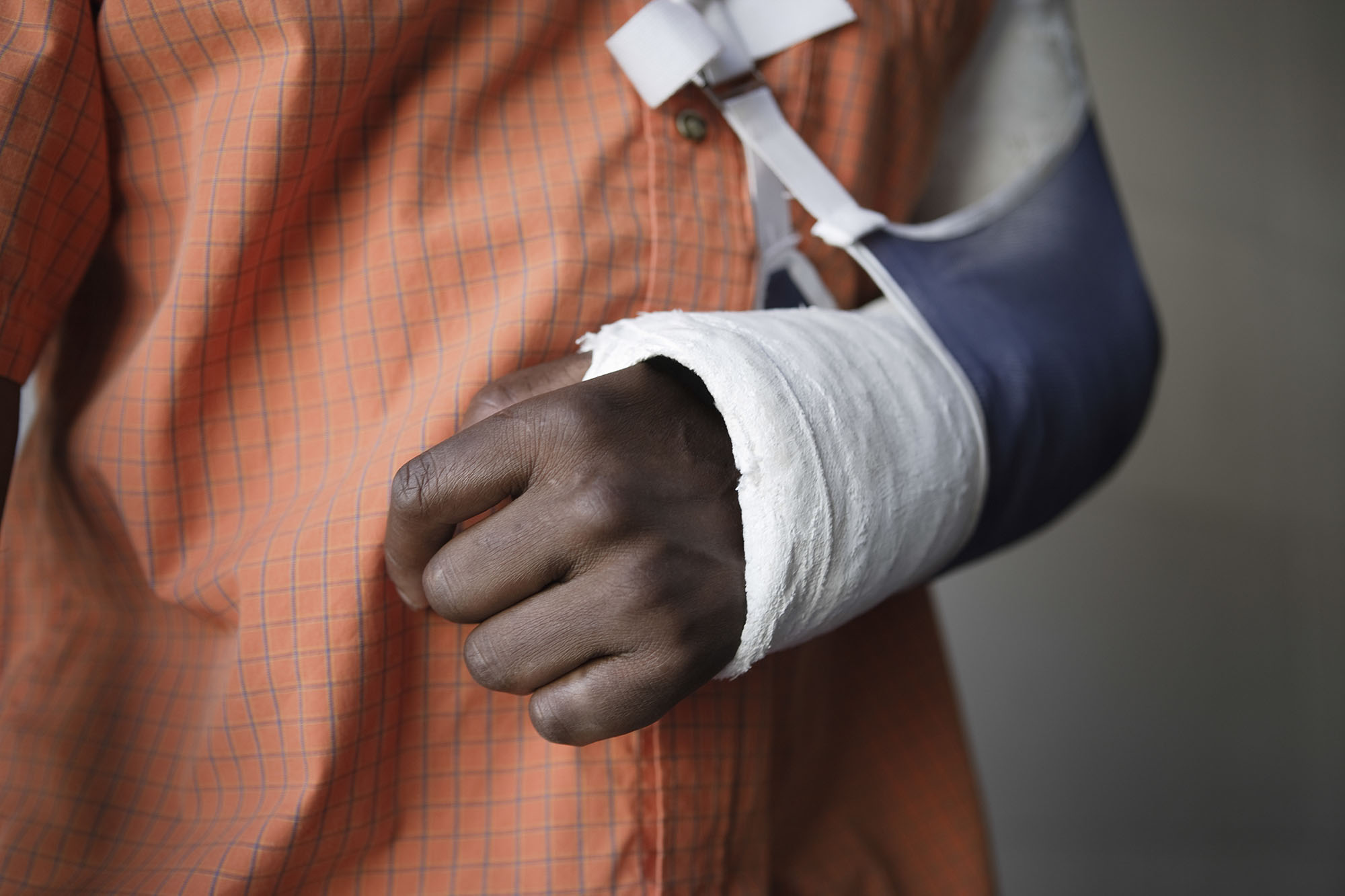
The straightforward actions make a difference. Offer a placement of convenience prior to a solitary milligram is given. Apply ice to a swollen ankle joint while you prepare the analgesic. Make use of a neutral, validating manuscript: "I can see you are hurting. Here are 2 things we can do now while I obtain your medicine." Those actions establish depend on and often reduced the dose required. In an emergency division bay, that may look like raising a fractured lower arm, splinting, and offering intranasal fentanyl within your procedure, after that documenting the pain trajectory and sedation level at 5 and 10 mins. On a clinical flooring, it might be repositioning an individual with rib fractures with a cushion under the arm, training splinting for coughing, and administering paracetamol on time before layering opioids.
Documentation that stands up in audits
Certification programs highlight documentation not due to administration, however due to the fact that it develops connection and safety. Poor keeps in mind break the chain. Great notes reduce replication, stop errors, and reveal that the strategy adapts to the patient.
Consider the makeup of a strong access. Beginning with baseline descriptors past the number: location, top quality, triggers, and function. Tape-record what you launched, both pharmacologic and nonpharmacologic. Consist of objective sedation level, respiratory price and pattern if pertinent, and timing of reassessment. Note action in both pain and function, not just one. Shut the loop with what you will do next off, such as "if discomfort surges over 5/10 at rest, will certainly reassess and take into consideration 1 mg IV hydromorphone, max 2 mg in 2 hours, keep Pasero objective S = 2." That degree of specificity aids the following registered nurse act without guessing.
I when audited a medical ward where the typical note read like a template: "Discomfort 7/10, provided oxycodone 5 mg, person relaxing." It looked neat and was almost pointless. We might not tell whether breathing improved, whether the patient might cough, or whether the next dosage was justified. After training, the phrasing changed to "Discomfort 7/10 with motion, 3/10 at rest, superficial breathing with cough reductions. Given oxycodone 5 mg and instructed on cushion splint. At half an hour, pain 4/10 with movement, deep breaths x 3 without grimace." The distinction reveals real treatment and assists the group adjust.
A sensible roadmap to a discomfort management certificate
Earning a pain management certificate begins with selecting the best program. If your goals are bedside concentrated, prioritize functional examinations and situation job. If you are heading towards an expert function, look for a discomfort administration accreditation that is recognized puaeme008 by a nursing board or a nationwide pain society and consists of exam plus proceeding education. Programs labeled discomfort management training for registered nurses usually provide components aligned to health center method. If your role includes ED triage or ambulance offloads, an unit like puaeme008 provide discomfort administration or an emergency situation pain monitoring module includes prompt value.
Expect prework. Excellent programs send out reading on pathophysiology and pharmacology in advance, so classroom time can concentrate on assimilation. Expect calculations. You will likely transform in between dental and parenteral paths, readjust for body organ disorder, and create secure PRN orders with clear maximums. Expect scenarios. Programs worth your time will certainly imitate genuine compromises, such as whether to offer a second IV bolus or start a low-dose infusion, whether to ask for a local block, or how to handle an upset however hypoxic individual with trauma.
Plan for revival. Discomfort methods develop. The last years brought much more regional blocks in the ED, enhanced use of low-dose ketamine infusions, improved devices for sedation tracking, and far better nonpharmacologic toolkits. Deal with certification as a marker in a longer journey. Discomfort administration training courses that supply modular updates enable you to keep pace without duplicating whole programs.
Choosing in between comparable discomfort administration courses
Marketing gloss can make every service provider seem the same. Pull back the curtain by asking a few specific inquiries. Who shows the training course? Medical professionals who still exercise bring practical suggestions you can use tomorrow. How many situations do you run? Seek programs with a minimum of several hours of situation job, not simply lecture. Exactly how do they review skills? Multiple option exams test expertise, however observed organized medical examinations disclose whether you can assess, determine, and communicate under time pressure. Just how do they deal with nonpharmacologic approaches? Programs that show particular methods and scripts as opposed to vague encouragements deserve more.
If you are contrasting pain monitoring programs for registered nurses to discomfort monitoring programs for physio therapists, consider doing both if budget plan allows. The overlap reinforces synergy, and each point of view complete the other. For interprofessional teams, a common certification training course suffering monitoring enhances care plans and lowers conflicting advice.
Emergency pain administration and the very first ten minutes
The first 10 minutes form the next hour. That is true on the ward, during transport, and in the emergency clinic. Easy, consistent steps decrease missed injuries and avoid rise mistakes. Below is a small, exam-friendly sequence for urgent setups that mirrors lots of puaeme008 assumptions while matching medical facility practice.
- Safety check and ABCs, then discomfort cause scan: look, touch when carefully, inspect distal pulses. Log essential indicators and a sedation degree baseline. Initiate prompt convenience: placement, ice or warm as appropriate, splint if unpredictable, quiet the room, establish connection with one sentence of validation. Start analgesia within scope: dental paracetamol if not already given and no converse, topical or regional alternatives if readily available, intranasal or IV representatives per procedure when pain is extreme. Expect dosage intervals. Document your presumptions and plan: thought system, risk flags, what you will certainly reassess and when. Capture function targets, not simply numbers. Reassess at foreseeable intervals, and escalate in measured steps. If there is no impact, reassess the system, not just the dose.
That listing suffices for one of both permitted checklists in this short article. It is short deliberately, so you can recall it during pressure.

Communication that lowers dosage and conflict
Words and tone modify discomfort experience. Discomfort monitoring training sometimes deals with communication as soft skills, but they change outcomes. 2 fast examples reveal how.
With a post-op individual hesitant to relocate: "Let's try a strategy that trades a little more convenience now for faster breathing and strolling later on. I will provide your arranged analgesia, show you how to splint the laceration, and remain with you for the first 3 deep breaths." The structure expects concern, frames the advantage, and pairs medicine with movement.
With a person labeled "drug looking for" in handover, which is commonly code for miscommunication: "I intend to comprehend what has actually aided you previously. Last time you were right here, what functioned and what did not? What negative effects do you want me to stay clear of today?" That shift moves far from judgment and toward cooperation. It commonly reveals tolerability concerns that drove repeated requests, such as pruritus with morphine or nausea with greater oxycodone dosages, leading to an extra reliable plan with less confrontations.
Certification circumstances in some cases consist of a standard patient whose major difficulty is mistrust. Examiners expect recognition, clear explanations, and clear limits. It serves to set boundaries as long as they are paired with alternatives. "I can not offer even more of that medicine yet as a result of your breathing pattern, however I can stick with you while this dose works and include ice and altitude. If your sedation level improves and you still injure, I have a next action ready."
Measuring success past the number
Pain scores matter, but they are not the goal. Feature, comfort at rest, rest high quality, and involvement in physical rehabilitation tell the real story. If an individual's pain rating goes down from 8 to 5, however they can ultimately take a deep breath and stroll to the shower room, that is development. If the number falls but the patient is sedated and misses therapy, that is not success.
Build small useful objectives into your notes and your handover. After abdominal surgical procedure, go for effective coughings, ten to fifteen laps of reward spirometry per hour while awake, and seated meals by day two if medically proper. Encourage physical rehabilitation to schedule sessions after peak analgesia, which commonly suggests 30 to 60 mins after dental dosing. These information decrease size of remain and are precisely the kinds of practical connections solid discomfort administration training for registered nurses teaches.
Preparing for the examination week
In the weeks prior to a discomfort management accreditation examination, change from easy reading to energetic technique. Summarize opioid conversion steps in your own words and inspect them with a colleague. Run through a minimum of ten case vignettes that require you to select between two sensible options. Build a quick-reference sheet you can recreate from memory: first-line options for common circumstances, kidney and hepatic modification hints, sedation scoring, warnings for local blocks, and the common beginning and optimal of oral, IV, and intranasal agents.
If your program consists of puaeme008 or a similar emergency situation discomfort administration system, practice the fast sequence out loud. Students typically know the actions however freeze under time pressure. Claiming it out loud converts understanding into manuscript. If your accreditation has a sensible element, ask associates to observe you during regular treatment and review your reassessment timing and documents. Capability shows in the tiny rhythms, not just the interventions.
When methods clash with patients
Protocols streamline choice courses, yet individuals complicate them. A classic dispute emerges when a person with chronic opioid use presents with severe injury. Common orders may underdose. Empathy sits close to care. This is where the most effective training radiates. You recognize the person's tolerance without losing watchfulness. That may indicate computing a sensible advancement dose based upon home regimen, making use of multimodal analgesia to minimize total opioid lots, and writing explicit monitoring standards that you show to the individual. These are not oppositions. They are a match of device, individual, and context.

Another problem appears with language barriers or cognitive impairment. Pain goes unattended because the group can not verify seriousness. Do not let unpredictability default to passivity. Usage observational tools, seek advice from household or caregivers for behavioral standards, and take into consideration time-limited tests with clear endpoints. Record your rationale. Qualification boards worth clinicians that act while demonstrating humility and safety.
Pulling it all together on a typical shift
A surgical floor, early mid-day. You get handover on a 64-year-old day-one laparotomy individual. Discomfort 6 to 8 at rest over night, shallow breathing, not using reward spirometer. Kidney feature steady, mild COPD. Present orders consist of paracetamol 1 g every six hours, advil 400 mg every eight hours, oxycodone 5 to 10 mg every 4 hours PRN, and hydromorphone 0.5 mg IV PRN for breakthrough.
You satisfy the person. He is safeguarding and solutions in short phrases. You start by rearranging him with a cushion under the best side to decrease incisional stretch and instruct splinting for cough. You examine the MAR and see paracetamol last given 5 hours ago, advil promptly, oxycodone 5 mg twice overnight. You give paracetamol currently, describe the strategy to target deep breathing and mobility, and provide oxycodone 7.5 mg because he tolerates opioids yet continues to be safeguarded. While waiting for beginning, you use warm around the paraspinals to ease muscle mass tension from securing. You established a timer to reassess in 40 mins, not two hours.
At review, his resting discomfort falls to 3, still 5 with motion, and he completes 10 reward spirometry pulls with one cough. You record discomfort qualities, sedation S = 2 on Pasero, RR 16 with routine pattern, and ambulate 10 meters. You additionally note that if cough stays reduced or pain at motion surpasses 5 at next check, you will certainly include hydromorphone 0.25 to 0.5 mg IV prior to physical rehabilitation, after that go back to oral strategy. That note arms the following registered nurse. By early night, he is taking a breath deeper and strolling additionally. The complete opioid dose is modest, and no person had to guess.
This is not heroics. It is the result of training that mixes pharmacology, timing, nonpharmacologic approaches, assessment, interaction, and documents right into one practice. That is what discomfort administration training for registered nurses intends to develop, and what a pain monitoring certification must validate.
Final ideas prior to you enroll
Courses matter when they alter what you do at the bedside. A solid pain management course or collection of discomfort management training programs will certainly offer you useful formulas, sharpen your observations, and widen your pain management courses for nurses nonpharmacologic toolkit. If you require a fast skills increase, brief training courses suffering management can plug gaps fast. If you intend to formalize your know-how, pick a pain management certification program or complete discomfort monitoring certification that examines application, not simply recall. For emergency-focused functions, straighten your learning with emergency situation discomfort monitoring modules or puaeme008 supply pain management to hone the very first ten minutes.
Quality training helps you ease experiencing without developing brand-new threats. That is a benefit and a responsibility. When the following individual presses your hand and says the pain is much better and the breathing is easier, you will certainly recognize it deserved the work.